
For a builder or contractor, cabinet risk concentrates at the edges: finished floors and walls, service points, worktops, appliances, unloading, storage, access and the handoff between trades. A cabinet schedule cannot be installed reliably if those interfaces are owned only by general notes.
GEORGE Group can discuss design through separately charged on-site installation. The actual destination, installer, supervision, local labour and equipment, site duties and acceptance route must be set for the project.

Turn every trade edge into a named interface
Use a responsibility schedule that identifies the design input, site prerequisite, responsible trade, inspection point and evidence for each cabinet interface. Resolve dimensions before manufacture and confirm conditions again before installation.
The contractor should consolidate site information. Conflicting instructions from the architect, owner, appliance supplier and installers need one controlled decision rather than separate informal changes.
| Interface | Information or prerequisite | Typical handoff question |
|---|---|---|
| Walls and backing | Build-up, finish, plumb condition, fixing zones and concealed services | Who confirms the fixing basis before installation? |
| Floors and ceilings | Finished levels, falls, skirting, soffits, bulkheads and access panels | Which dimensions are measured before or after finishes? |
| Electrical and data | Outlet, lighting, driver, cable and equipment positions | Who supplies, connects and tests each component? |
| Water and ventilation | Pipe, waste, duct, valve, access and clearance positions | Who moves a point that conflicts with the approved cabinet? |
| Worktops and fixtures | Template sequence, supports, cut-outs, basin, tap and sealing | Which party owns template dimensions and final joints? |
| Delivery and storage | Access route, unloading, lift, dry storage, protection and release sequence | Who signs for and safeguards packages? |
| Installation and close-out | Installer scope, setting-out basis, protection, adjustment and issue list | Who accepts each room and completes adjacent trade work? |
Coordinate documents, packages and the site as one handoff
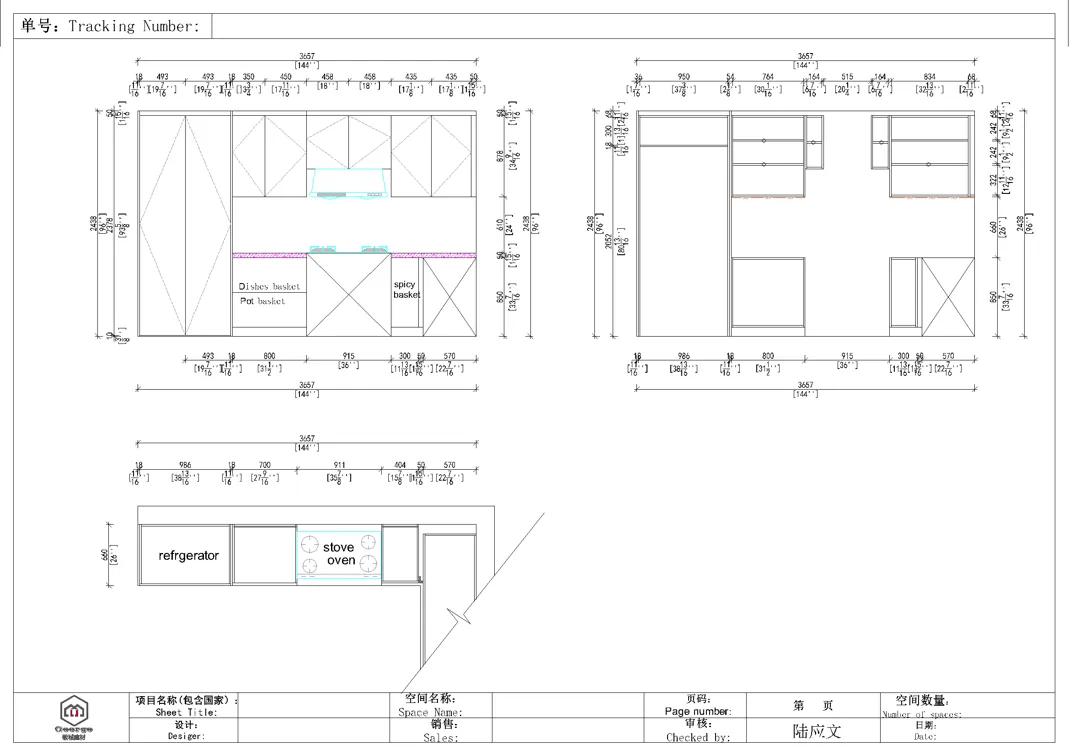
These GEORGE Group images show site, drawing, logistics and coordination contexts. They do not verify a specific installer or programme; each role must be agreed for the actual project.



Set a measurable site-readiness gate
- Current approved drawings and cabinet references are available to the site team.
- Final measurement basis and any permitted assumptions are signed off by the responsible party.
- Floors, walls, ceilings and services are at the agreed stage and dry enough for the specified work.
- Access, unloading, storage, lifting and protection are ready for the package sizes.
- Adjacent trades and sequence are agreed, including worktop templates and service connection.
- An issue route prevents unapproved site alteration of cabinets.
Close rooms with evidence, not memory
Inspect by room and cabinet reference. Record installed condition, operation, visible finish, protection, incomplete adjacent work and any item held for another trade. Photographs should show context and detail.
Keep delivery shortages, installation defects, site deviations and later damage as distinct issues. The responsible party and remedy may differ even when the visible result appears similar.
Prepare the contractor handoff package
Include the information that is known and label open items instead of guessing.
- Current architectural, interior and services drawing index.
- Room and cabinet schedule with final-measure status.
- Responsibility matrix for walls, floors, ceilings, services, worktops, fixtures and appliances.
- Site programme, access, unloading, storage and installation sequence.
- Proposed installer, supervision, local labour, tools and adjacent trades.
- Room inspection, protection, issue and acceptance procedure.
Coordinate cabinetry with your construction package. State the site, drawing revision, programme gate, installer plan and interfaces still open. Installation scope is separately assessed.