
International delivery is easier to control when every package connects to a room, cabinet or component before it reaches site. Packing protects the item; identification, documents and a planned receipt check protect the project information.
Commercial projects generally use CIF and residential projects may use DDP as a starting direction. The actual term, place, freight, insurance, customs, duties, final mile, risk and receiving responsibility are confirmed for the destination.
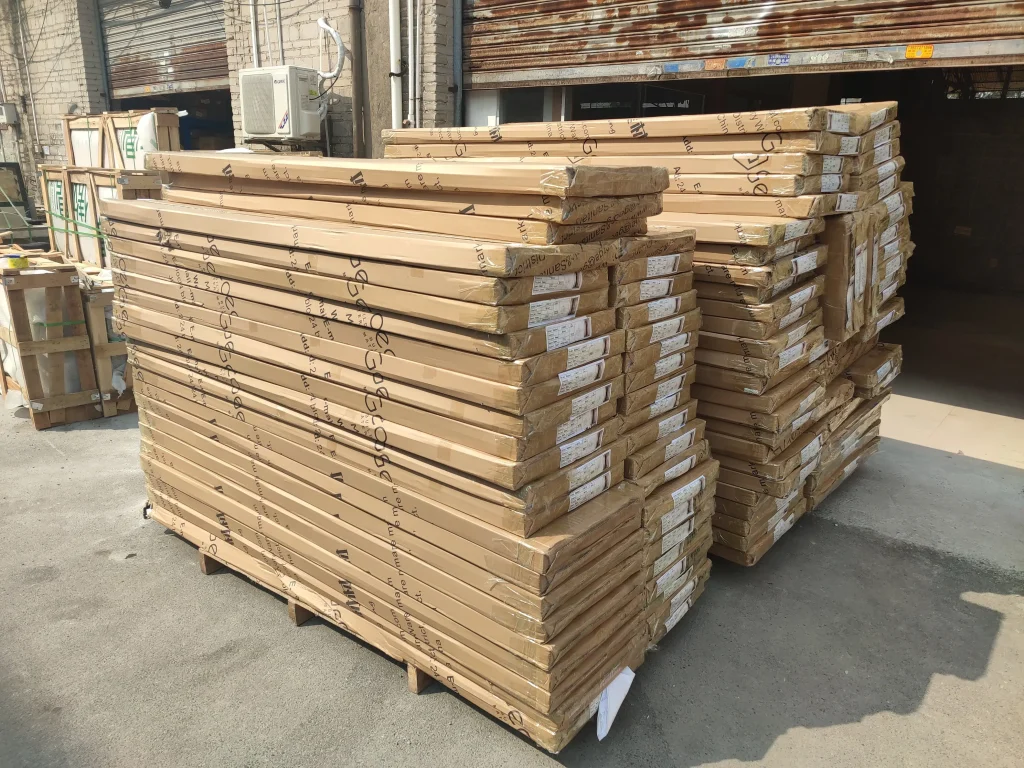
Design the receipt check before dispatch
Buyer, consignee and installer should agree how packages are identified, unloaded, counted, stored and released by room. The receiving team needs the current packing list and a way to record damage, missing packages or label discrepancies.
If storage is limited, room or installation sequence may shape package grouping and delivery lots. Lower freight cost can create extra handling or delay when access and storage are ignored.
| Control point | Record or condition | Decision before shipment |
|---|---|---|
| Identification | Project, room or unit, cabinet reference, package number and marks | Which code matches the drawing and schedule? |
| Packing list | Package count, contents, quantity and separate hardware | Who receives and checks the final version? |
| Protection | Surface, edge, corner, moisture and movement protection | Any special handling or stacking restriction |
| Delivery basis | Named place, freight, insurance, customs, duties and final mile | Which party carries each cost and risk? |
| Site access | Vehicle, bay, lift, stairs, openings, hours and equipment | Can every package reach secure storage? |
| Receipt check | Count, labels, visible condition and photographs | Who signs and records exceptions? |
| Storage and release | Dry location, room grouping, access and installation sequence | Who safeguards packages? |
Record exceptions without destroying evidence
Photograph the label, package sides, visible condition and unloading context before moving or discarding protection. Record date, delivery reference, package number, room and observer. Follow the contractual reporting route and timing.
If opening is needed, coordinate with the project contact and preserve labels and packaging. Visible package damage does not automatically prove product damage, and intact packaging does not prove completeness.
Keep logistics separate from installation readiness
A received package does not make a room ready. Confirm moisture, surfaces, access, services, adjacent trades and storage before release for installation.
The installer needs current drawings, cabinet references, packing information and an issue route so missing or unopened items can be traced without informal substitution.
Provide destination and receiving information
Include the information that is known and label open items instead of guessing.
- Country, named delivery point, consignee and preferred delivery basis.
- Access limits, unloading equipment, working hours and package-size limits.
- Dry storage and planned room or installation sequence.
- Customs, final-mile, receipt and issue-reporting owners.
- Room, unit and cabinet references for labels.
- Special protection, handling or staged-delivery needs.
Discuss packing, delivery and receipt for your cabinet package. Give the destination, access, consignee, storage and scope. The quotation will confirm the actual delivery basis and responsibilities.