
A dealer or distributor needs product information that can be repeated without turning an old image, sample or project option into a permanent stock promise. Series identity, specification version, sample control, order references, packaging and market feedback must stay connected.
GEORGE Group can discuss market, series and repeat-purchase requirements. The form of cooperation, territory, exclusivity, stock, display support, pricing, targets, certification and after-sales responsibilities are commercial matters to agree; this page does not announce a dealer programme or exclusive right.

Create a controlled series before seeking repeat orders
Define which attributes are fixed, selectable or project-specific. A series may control a construction and finish family while cabinet dimensions remain project-configured. If the buyer expects stock, lead time or rapid replenishment, state that requirement for commercial review instead of inferring it from a catalogue.
Give samples, displays, price lists and order sheets effective dates and version codes. When a material or hardware item changes, identify affected samples and open quotations so the old reference cannot continue silently.
| Series record | What it controls | Change risk |
|---|---|---|
| Series and version | Named family, effective date and superseded version | Repeat order placed against an obsolete reference |
| Construction basis | Carcass, front, edge, finish, hardware and applicable locations | One image used for several different specifications |
| Option matrix | Permitted sizes, finishes, handles, fittings and project-specific choices | An option is presented as universally available |
| Sample register | Sample code, date, finish, supplier or project reference and holder | Display sample no longer matches supply basis |
| Order reference | Customer, project, room, cabinet, quantity and approved specification | Repeat order lacks the original approval link |
| Packing and labels | Market language, package identification, handling and shipment grouping | Warehouse or installer cannot trace a component |
| Feedback and issue record | Observed market request or issue tied to version and project | A local preference becomes an unapproved product change |
Connect market materials to a current specification
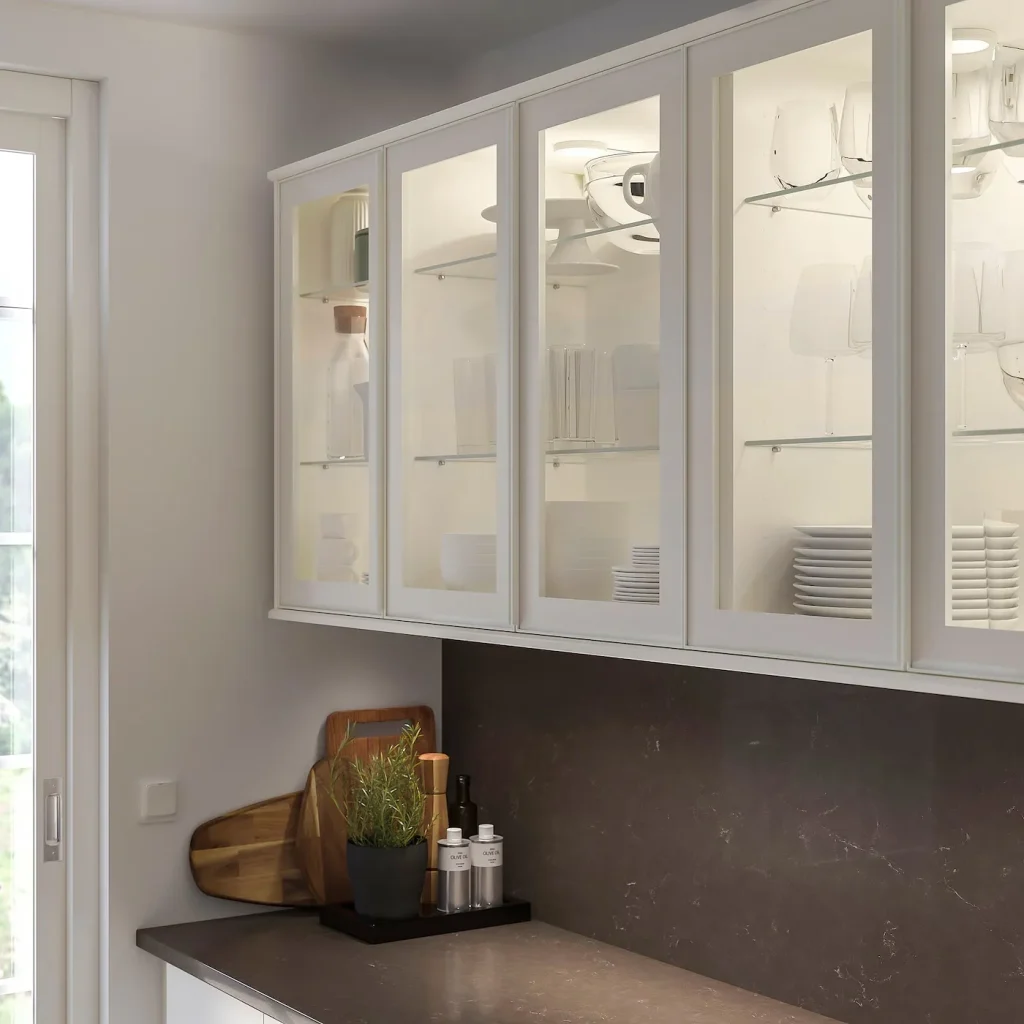
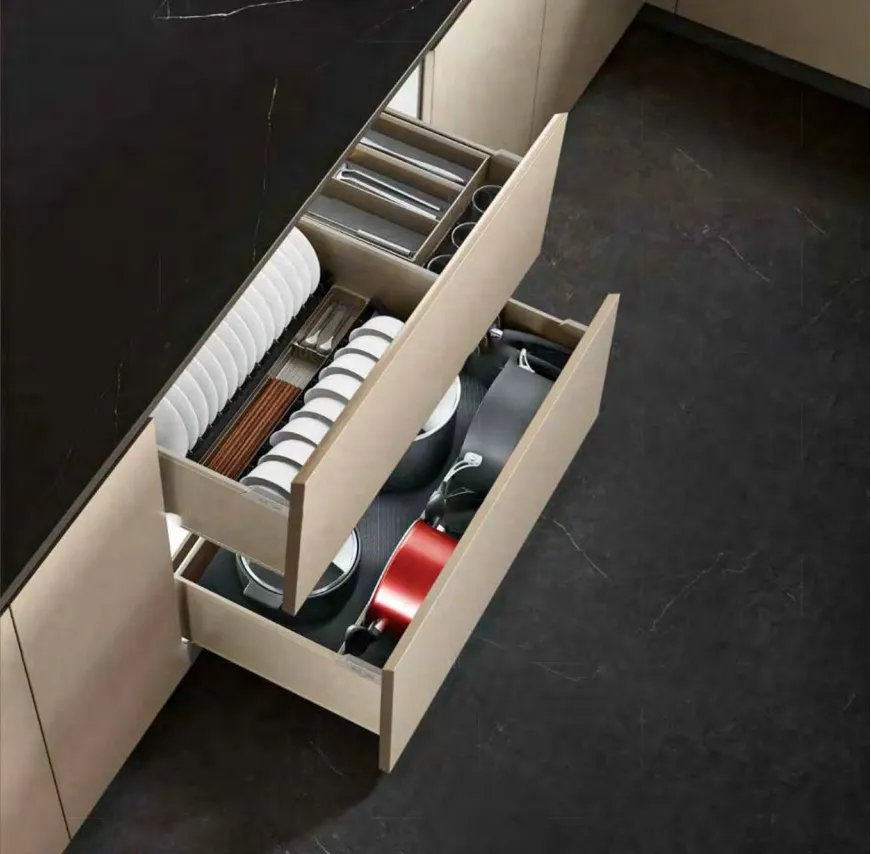
The GEORGE Group catalogue covers and product images show useful sales and sample material. Their presence does not prove current stock, market certification, fixed dimensions or a dealer entitlement.


Separate display, sample and sellable scope
A display may demonstrate door style, finish, internal storage or hardware without representing a complete cabinet package. Label what the buyer can evaluate and which attributes still depend on project dimensions, market requirements and quotation.
Before reusing an image or sample in a new campaign, confirm the current specification, territory and claims. Do not add performance, origin, certification, lead-time or warranty statements without current project or market evidence.
Make repeat orders traceable
- Reference the previous project and approved version, but restate quantity, dimensions, destination and required date.
- Confirm whether materials, hardware, packaging, labels and regulations remain applicable.
- Identify acceptable substitutions and who may approve them.
- Separate spare or replacement components from a new cabinet order.
- Confirm local measurement, installation and after-sales responsibilities for each market.
Prepare a dealer or distributor discussion
Include the information that is known and label open items instead of guessing.
- Target countries or regions, buyer segments and intended sales route.
- Cabinet categories, desired series structure and project-configured versus stock expectation.
- Required catalogues, displays, samples, packaging and language.
- Expected order pattern, typical project sizes and repeat-order identification.
- Market-specific standards or documents to be checked for the exact products.
- Requested commercial relationship, territory and service responsibilities for negotiation.
Discuss a cabinet series for your market. Share the target market, categories, sample or display needs and expected order pattern. Partnership and product terms require a separate agreement.